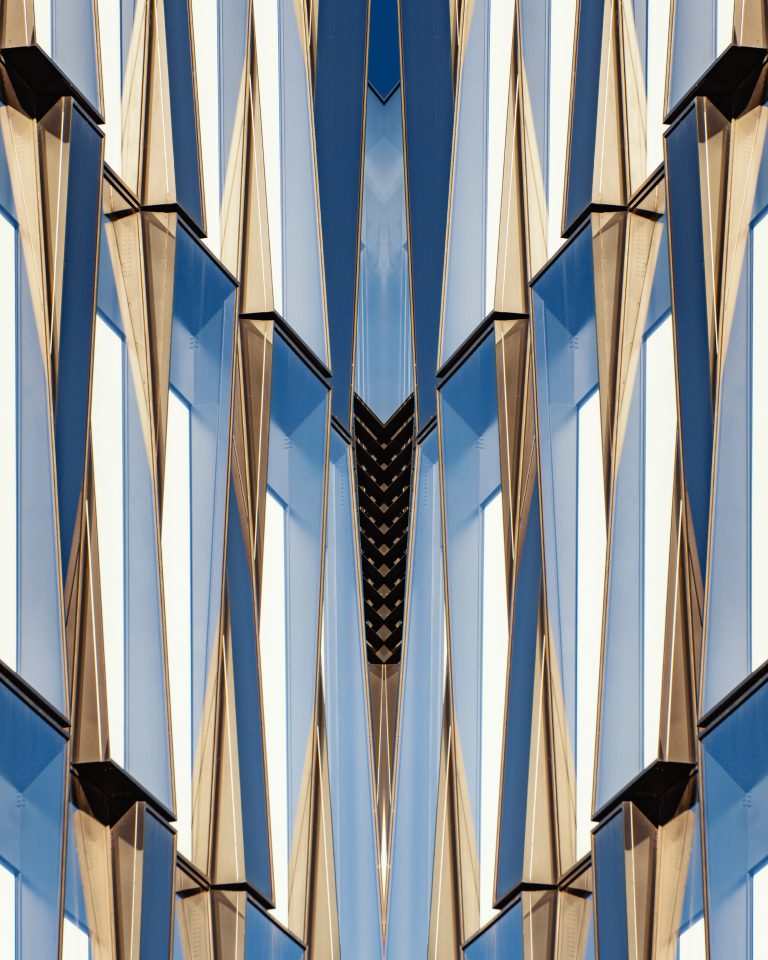
Textured glass changes how light passes through a surface and how clearly objects can be seen behind it. Reeds, flutes, cast relief and patterned finishes can add character to partitions, doors and feature panels. Their privacy and performance depend on the particular product and construction.
Choose a texture for the intended effect
A subtle pattern may soften a view while retaining recognizable shapes. A deeper texture can provide greater visual distortion, but it can also affect transparency and light distribution. Review a physical sample with the proposed frame colour and lighting.
For a larger installation, check pattern alignment, panel orientation, repeat sizes and the appearance of adjacent panels.
Test visual privacy
Textured glass does not guarantee complete privacy. Visibility changes with viewing distance, lighting contrast and how close a person stands to the panel. Test the sample in conditions that represent the finished space, especially for bathrooms, healthcare areas and confidential rooms.
Where sound separation matters, specify the acoustic assembly separately. Surface texture is not an acoustic rating.
Confirm safety and exterior suitability
Some textured products are available in tempered or laminated configurations; others have manufacturing restrictions. Confirm the required glass build-up and support before specifying doors, screens, overhead panels or guards.
A textured surface alone does not establish impact, security or weather performance. Exterior use requires an appropriate complete glazing assembly.
Separate light diffusion from thermal insulation
Texture may help diffuse light or change glare, but thermal insulation and solar gain depend on the glass construction, coatings, cavities and framing. Ask for product data rather than assuming that a textured finish regulates temperature.
Plan cleaning and maintenance
Deep grooves and exposed relief can retain dirt or need different cleaning methods. Confirm which face is exposed and follow the manufacturer’s care instructions. Do not assume that texture inherently resists fingerprints or water marks.
Clearstream Architectural helps project teams compare decorative glass samples and coordinate appearance with practical specification requirements.
Discuss your project
Share your project location, drawings, dimensions and performance requirements with Clearstream Architectural. Discuss your glazing requirements or call (905) 570-3166.